
SOLAR · 01
Solar PV Systems: What Homeowners Should Know
Plan a rooftop solar system around your roof, daily electricity use and budget.
Check your roof
Roof condition, usable space and shading affect what your system can deliver.
Match your usage
Daytime self-consumption matters when assessing Solar ATAP savings.
Compare your options
Understand sizing, costs and available incentives before choosing a quotation.
Inside the guide: Roof checks, system sizing and Malaysia’s solar programmes.
Read the full guide →

INDOOR AIR · 02
Why Indoor Air Quality Matters
Understand indoor pollution and practical ways to improve the air in Malaysian homes.
Know the sources
Cooking, moisture, household products and outdoor haze can affect indoor air.
Control pollution first
Reduce sources and manage ventilation according to outdoor conditions.
Choose suitable equipment
Understand what filtration can help with and how maintenance affects performance.
Inside the guide: Indoor pollution sources, haze and practical air-quality measures.
Read the full guide →

ENERGY SAVING · 03
5 Ways to Lower Your Electricity Bills
Five practical starting points for managing household electricity use and TNB bills.
Cool smarter
Use suitable temperature settings, fans and regular air-conditioner maintenance.
Understand your tariff
Review consumption thresholds and whether Time of Use fits your routine.
Reduce avoidable usage
Choose efficient appliances, improve everyday habits and assess solar after reducing waste.
Inside the guide: Cooling habits, tariff thresholds, ToU, appliances and solar.
Read the full guide →

HOME ELECTRICITY BILLS · 04
How to Read Your TNB Electricity Bill
Follow a real domestic bill to understand charges, taxes and Solar ATAP credits.
Read the breakdown
Separate energy, capacity, network, retail and adjustment charges.
Understand solar credits
See where exported electricity appears and how it affects the amount payable.
Check the worked example
Use the annotated explanation alongside the supplied domestic bill image.
Inside the guide: A line-by-line explanation with a domestic TNB bill example.
Read the full guide →

SOLAR PROGRAMMES · 05
NEM and Solar ATAP: Understanding the Programmes
Explore how Malaysia’s rooftop solar programmes evolved from NEM to Solar ATAP.
Understand the change
Compare how self-consumption and exported electricity are treated.
Check eligibility
Review the domestic programme requirements with your installer.
Plan for current incentives
Understand the relationship between Solar ATAP and the SuRIA Home rebate.
Inside the guide: A comparison of programmes and what Solar ATAP means for homes.
Read the full guide →
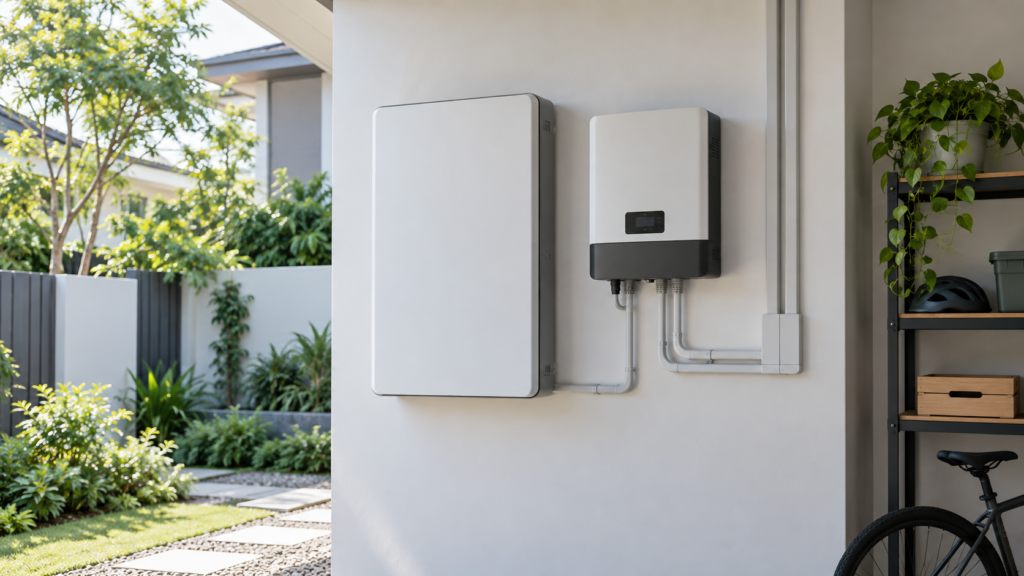
BATTERY STORAGE · 06
Home Solar Batteries: Sizing, Costs and What to Expect
Consider how a battery fits your solar system, evening demand and budget.
Size for your household
Compare daytime surplus with evening consumption and usable storage.
Compare complete costs
Allow for the battery, compatible inverter, installation and backup equipment.
Set realistic expectations
Review charging losses, warranty conditions and the assumptions behind savings.
Inside the guide: Sizing considerations, cost estimates and a worked savings example.
Read the full guide →
BUSINESS ELECTRICITY BILLS · 07
Reading Your Business TNB Bill: A Guide for Factory and Shop Owners
A practical guide to reading factory and shop electricity bills in Malaysia.
Identify your charges
Review energy, capacity, network and other bill components.
Look beyond kWh
Understand maximum demand, power factor and late-payment charges.
Assess solar suitability
Use the business bill example to prepare a more informed usage review.
Inside the guide: An itemised business bill and factors that affect commercial costs.
Read the full guide →
SOLAR INCENTIVES · 08
SuRIA Home Rebate: How to Claim Up to RM3,000 for Your Home Solar System
Understand the SuRIA Home rebate, eligibility and application steps.
Check eligibility
Review the requirements for Malaysian domestic Solar ATAP customers.
Prepare the application
Understand the commissioning and bank-account information involved.
Watch the deadline
The programme is subject to its 31 December 2026 deadline and available allocation.
Inside the guide: Eligibility, application steps and the commissioning deadline.
Read the full guide →
